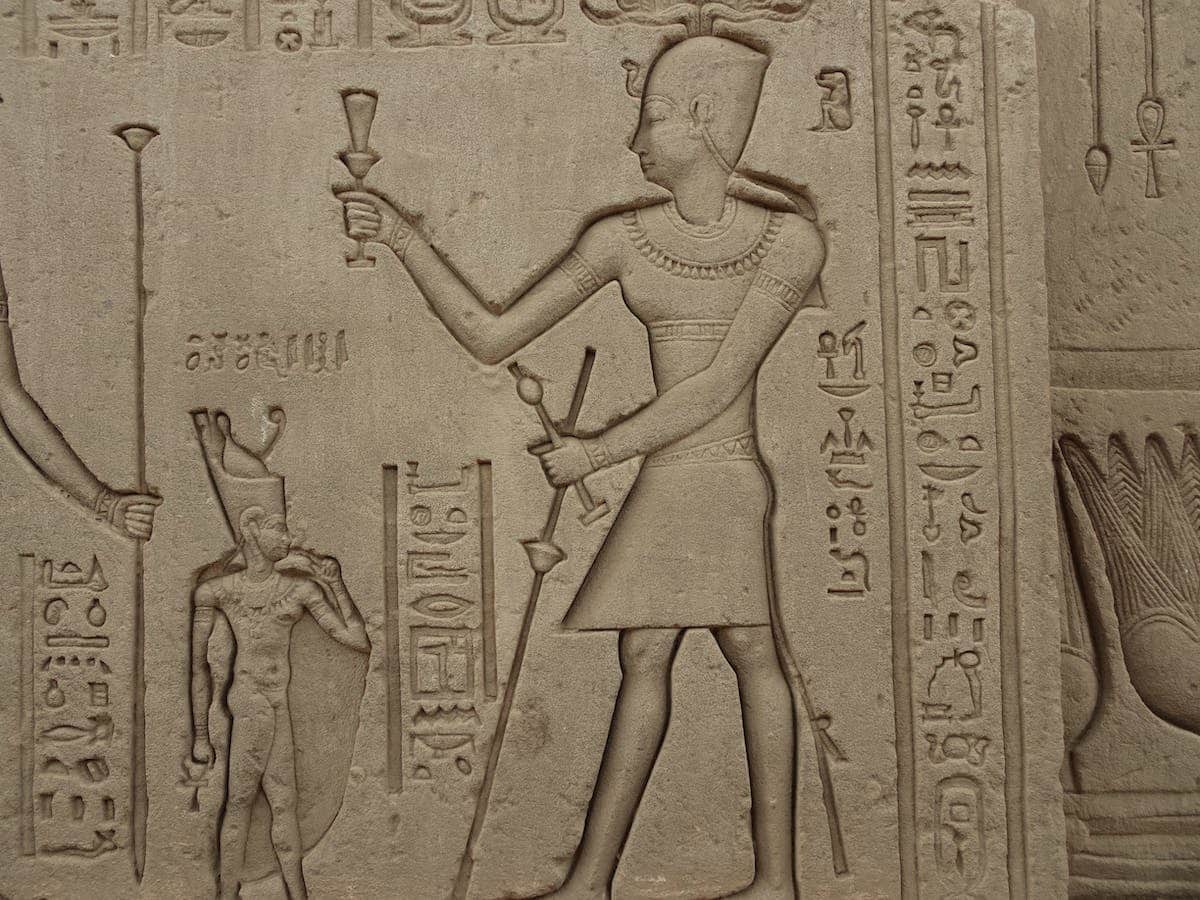
Discovering the history of the pharaohs is to dive into the abyss of time, where civilizations are born and die, leaving behind fascinating enigmas. The sacred Egyptian writings, through mystical hieroglyphs and ornate tombs, unveil the captivating tales of these deified monarchs. These narratives, intertwined in the fabric of time, recount reigns marked by conquests, betrayals, mysteries, and myths. They also evoke times of prosperity under the rule of visionary pharaohs and periods of decline under less insightful leaders. In short, the history of the pharaohs is a fascinating journey into the past that continues to captivate the imagination of researchers and history enthusiasts.
The Enigmas of the Pharaohs: Their Mysterious Origins
The mention of the figure of ‘Islamic pharaoh’, a term widely used in Muslim texts, adds a new dimension to this historical debate. Indeed, the Quran makes several references to a pharaoh who would have ruled Egypt at the time of Moses. This representation differs significantly from the descriptions provided by other religious traditions and has sparked much discussion among scholars.
In the Islamic tradition, the pharaoh is generally portrayed as a tyrannical and unjust ruler who fiercely opposed Moses’ attempts to free his people. The confrontation between these two protagonists constitutes a central part of the Quranic narrative about the exodus of the Israelites from Egypt.
The ‘Islamic pharaoh’, although not precisely identified in the Quran itself, is often associated with Ramses II in later literature, largely due to his historical notoriety and archaeological confirmation as a great builder. This identification remains speculative as it does not rest on tangible evidence.
It is worth mentioning that in classical Arabic, the word ‘Fir’aun’ (the term used to designate pharaoh) was not exclusively reserved for the Egyptian monarch but could be used to refer to any powerful sovereign or leader. It can therefore be difficult to ascertain with certainty whether all Quranic references to ‘Fir’aun’ relate to a specific person or are rather used symbolically to represent oppression and injustice.
Regardless, the ‘Islamic pharaoh’ embodies in the Muslim tradition a character whose excessive pride led to his downfall. His tragic end is often interpreted as a reminder of the terrible consequences that can arise from the refusal to embrace divine messages and to use one’s power to oppress others.
Thus, the Quranic narrative about the pharaoh enriches our understanding of this historically complex figure by offering us an additional perspective. It is clear that each of these traditions offers a different view of the role and significance of the pharaohs in their respective cultures.
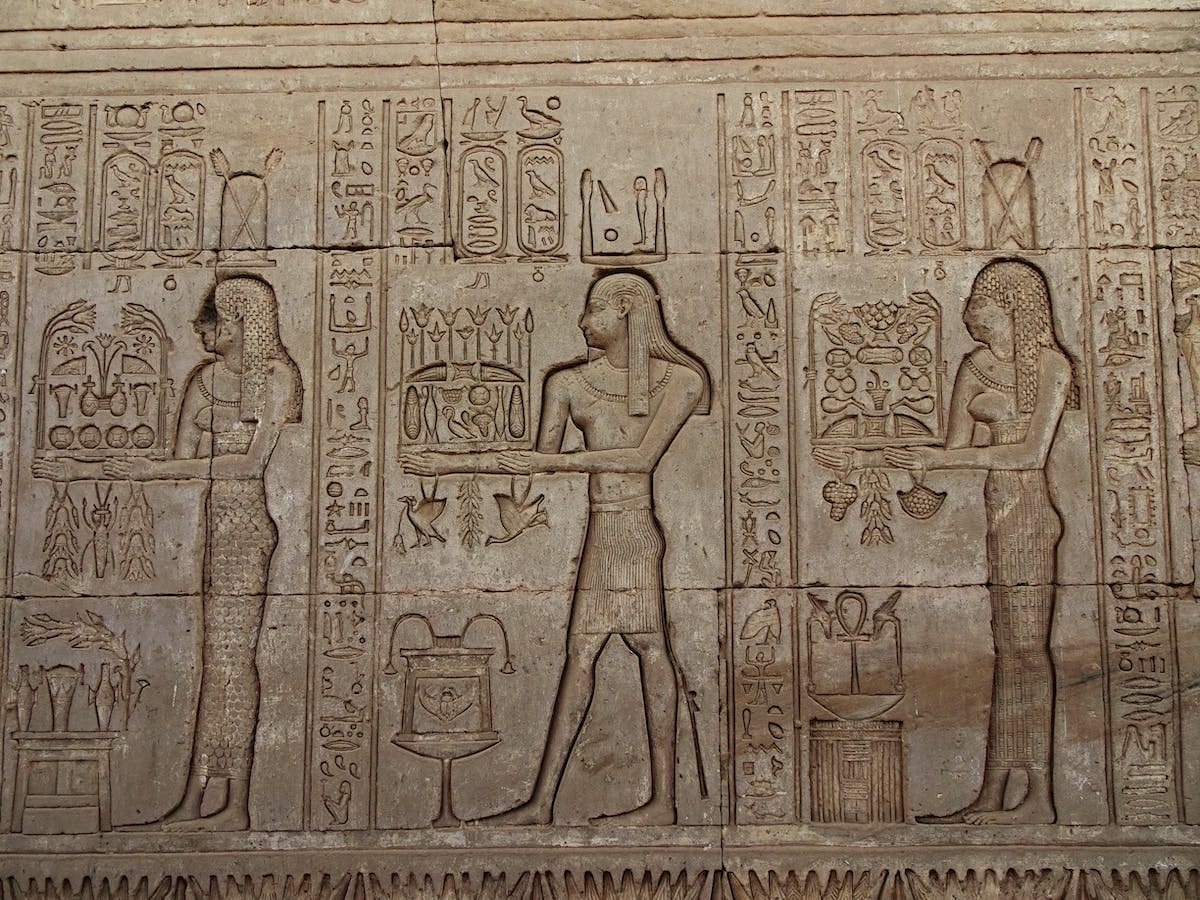
Iconic Pharaohs of the Old Kingdom
Within the Old Kingdom of Egypt, several pharaohs have marked history through their monumental achievements and their impact on society of the time. Among these iconic rulers are Khufu, Djoser, and Snefru.
Khufu, also known as Cheops, was the builder of the famous pyramid of Giza. This architectural marvel remains one of the seven wonders of the ancient world still standing today. The pyramid of Khufu not only testifies to the technical skill of the Egyptian builders but also to the power and divine status that the pharaohs claimed.
Djoser, on the other hand, is considered the founder of the first great pyramid at Saqqara. Designed by his architect Imhotep, this revolutionary structure marks a major advancement in pyramid construction techniques. It also serves as an example for future generations who would seek to surpass this extraordinary architectural feat.
Snefru is often referred to as the ‘chief engineer’ due to the innovations he brought to pyramid design. He is credited with building three different pyramids: Meidum, Bent, and Red (the first successful example of a true pyramid shape). These achievements testify not only to the advanced technical skills possessed by the Egyptians at that time but also to the central role that pyramid construction played in the Egyptian political system.
It should not be forgotten that the Old Kingdom of Egypt was not solely about pyramid construction. These iconic pharaohs also advanced knowledge in other areas, such as agriculture, craftsmanship, and trade. Their reign was marked by unprecedented economic prosperity and cultural development.
The pharaohs of the Old Kingdom of Egypt left behind a fascinating legacy through their monumental achievements and their influence on society of that time. Their names remain etched in history as symbols of power, technological and artistic advancement, but also of political stability.
The Height of Egypt: The Pharaohs of the Middle Kingdom
During the Middle Kingdom of Egypt, Egypt experienced a period of renewal and cultural peak. The pharaohs who ruled during this time distinguished themselves by their ability to consolidate centralized power and to extend Egypt’s influence beyond its borders.
One of the most notable pharaohs of the Middle Kingdom is Senusret I, also known as Sesostris I. Under his reign, Egypt prospered economically due to the development of gold and copper mines, as well as the establishment of an efficient tax collection system. This economic stability allowed for an unprecedented artistic flourishing with the construction of many magnificent temples throughout the country.
His successor, Amenemhat III, is often regarded as one of the most important figures of the Middle Kingdom of Egypt. He was not only a great builder but also a skilled military strategist. He managed to maintain lasting peace with Egypt’s neighbors and effectively defend its borders against any external threat.
It was also during the reign of Amenemhat III that ancient Egyptian literature developed, notably with works such as ‘The Tale of the Shipwrecked Sailor’ and ‘The Instructions for Merikare’. These sacred texts offer a fascinating glimpse into daily life as well as the moral and religious values of that time.
Another prominent figure of this period is Hatshepsut, the famous queen-pharaoh who ruled successfully for over twenty years. Under her reign, Egypt experienced remarkable political and economic stability. She also undertook trade and diplomatic expeditions to the land of Punt (modern-day Somalia), thereby strengthening ties with foreign kingdoms.
The Middle Kingdom of Egypt also marks an evolution in funerary art with the appearance of rock-cut tombs at Beni Hasan. These beautifully decorated burials testify to the growing concern for the afterlife and the elaborate funerary practices of this era.
The height of Egypt with the pharaohs of the Middle Kingdom was marked by a unique blend of political, economic, artistic, and cultural advancements. This prosperous period remains etched in the annals as a pivotal moment when Egypt asserted itself as an essential regional power.
Despite this relative prosperity, the gradual decline of the Middle Kingdom was already perceptible by the end of this period due to increasing political instability and invasions from the northeast. The disastrous consequences were later felt during what we now call ‘the second collapse’.
There is no doubt, however, that this ephemeral peak inspired future generations, both through artistic innovation and the political and military genius of the pharaohs of the Middle Kingdom of Egypt.
Major Upheavals: The Pharaohs of the New Kingdom
The New Kingdom of Egypt was a period marked by major upheavals that profoundly shaped the history of ancient Egypt. This era began with the rise of a bold and visionary pharaoh: Thutmose I.
Thutmose I, known for his remarkable military conquests, expanded the borders of Egypt into Syria and Nubia. He was also a great builder, having created impressive temples and commemorative monuments throughout the country.
It is his legendary successor who is often regarded as the greatest pharaoh of the New Kingdom: Amenhotep III. Under his prosperous reign, Egypt flourished economically thanks to thriving trade relations with neighboring kingdoms. Amenhotep III was not only a skilled politician but also an enlightened art lover, amassing an impressive collection of sculptures and precious jewelry.
But no pharaoh had as much influence on the history of Egypt as Akhenaten, also known as Amenhotep IV. This controversial man is famous for introducing an unprecedented religious revolution by abandoning the traditional polytheistic worship in favor of the exclusive worship of the god Aton. This new monotheistic religion sparked both fascination and opposition throughout the country.
The royal wife of Akhenaten also deserves special mention: Nefertiti. This queen of legendary beauty played a crucial role alongside her husband in promoting the worship of Aton and is considered one of the most powerful women in ancient Egypt.
After the premature death of Akhenaten, the throne passed to Tutankhamun, his son famous for his beautifully preserved tomb discovered by Howard Carter in 1922. Although his reign was brief, Tutankhamun remains in memory due to his exceptional funerary treasures that testify to the wealth and refinement of this period.
The New Kingdom of Egypt reached its peak with Ramses II, also known as Ramses the Great. This prolific pharaoh reigned for nearly seventy years and led several campaigns to further extend Egyptian influence in the Middle East. He is especially famous for his participation in the decisive battle against the Hittites at the Battle of Kadesh.
Despite this apparent grandeur, the New Kingdom of Egypt ultimately declined due to incessant international conflicts and constant external invasions that gradually weakened the Egyptian state until it was conquered by the Assyrians and then by the Persians.
Even today, we can admire these glorious remnants of the past throughout the country: from the majestic temples of Karnak and Luxor to the colossal statues of the pharaohs that continue to impress visitors from around the world. The New Kingdom of Egypt remains a fascinating period in ancient history, where greatness reached its peak while paving the way for future challenges.
The End of the Pharaohs and Their Unforgettable Legacy
The era of the pharaohs ultimately came to an end with the arrival of foreign domination in Egypt. The Persians, followed by the Ptolemaic Greeks and the Romans, all contributed to shaping the destiny of this ancient civilization.
The Persians, under the reign of King Cyrus II, conquered Egypt around 525 BC, thus ending nearly three thousand years of Egyptian autonomy. Although the Persians ruled with a degree of religious and cultural tolerance, their presence nonetheless marks the end of the political independence of the pharaohs.
Subsequently, the Ptolemaic Greeks took control of Egypt in 332 BC, after the conquest of Alexander the Great. This period is marked by a fusion between Egyptian and Greek traditions, giving rise to a new dynasty that lasted over three centuries.
During this Hellenistic period, the legacy of the pharaohs continued through the efforts of the Ptolemies to maintain certain traditional Egyptian religious rituals. The temple of Isis at Philae and that of Horus at Edfu are notable examples where these ancestral practices were still observed.
It was with the advent of Roman power in Egypt in the 1st century BC that the last official chapter of the History of the Pharaohs closed definitively. The Roman conquest marked the end of Egypt as an independent nation, although the Romans continued to maintain certain aspects of Egyptian culture in their administration.
Despite these political changes and the influence of successive foreign powers, the legacy of the pharaohs continues to live on through the ages. The majestic monuments such as the pyramids of Giza and the sphinx still testify to the architectural genius and artistic grandeur of the ancient Egyptians.
The hieroglyphs carved on the walls of the temples provide us with a valuable insight into daily life during the pharaonic era, while the carefully preserved mummies allow us to study their way of life and religious beliefs.
The cultural and spiritual influence of the pharaohs can still be felt in some funerary rites practiced today in Egypt. The customs related to ancestor worship as well as the mortuary rituals carry within them a deeply rooted essence from this exceptional historical period.
Even though the political power of the pharaohs has faded in the face of the foreign empires that followed, their legacy remains alive in our modern understanding of this extraordinary civilization. The History of the Pharaohs continues to be a captivating narrative that fascinates and inspires those who seek to unravel the mysteries of Egypt’s glorious past.