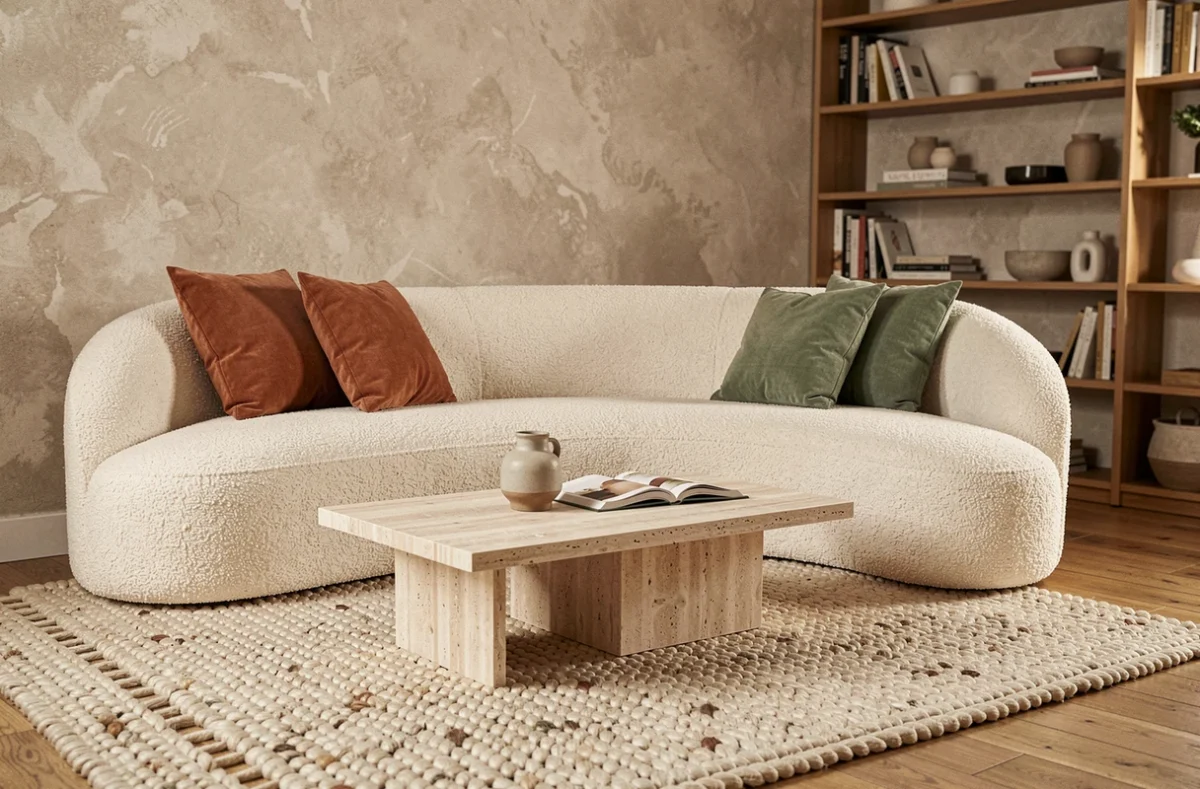
The interior design market is undergoing a period of change. Trade shows such as Maison&Objet are focusing their editions on raw materials and sensory experiences, while the reuse sector is taking shape under the impetus of regulatory measures led by organisations such as Ecomaison. Between aesthetic cues, a changing legislative framework and a more professional second-hand market, the ways we think about transforming our interiors are changing.
Reuse and second-hand furniture: how regulations are changing interior design
Reusing materials and furniture is no longer limited to local flea markets. The furniture sector now has an eco-modulation scheme managed by Ecomaison: under certain conditions, the eco-contribution can be reduced to zero for second-hand furniture originally made in France and resold by professionals. The scheme does not apply to all second-hand furniture, but it is helping to bring greater clarity to a growing market.
To follow how these issues develop over time, News Déco news lets you cross-check announcements against their actual progress.
Combining second-hand, reused and new pieces without losing cohesion
Refreshing an interior with items from several sources raises a practical question: how do you avoid a mismatched, catalogue-like look? The answer lies less in choosing a style than in having a clear selection method.
Choose a material as your common thread, rather than a decorating style
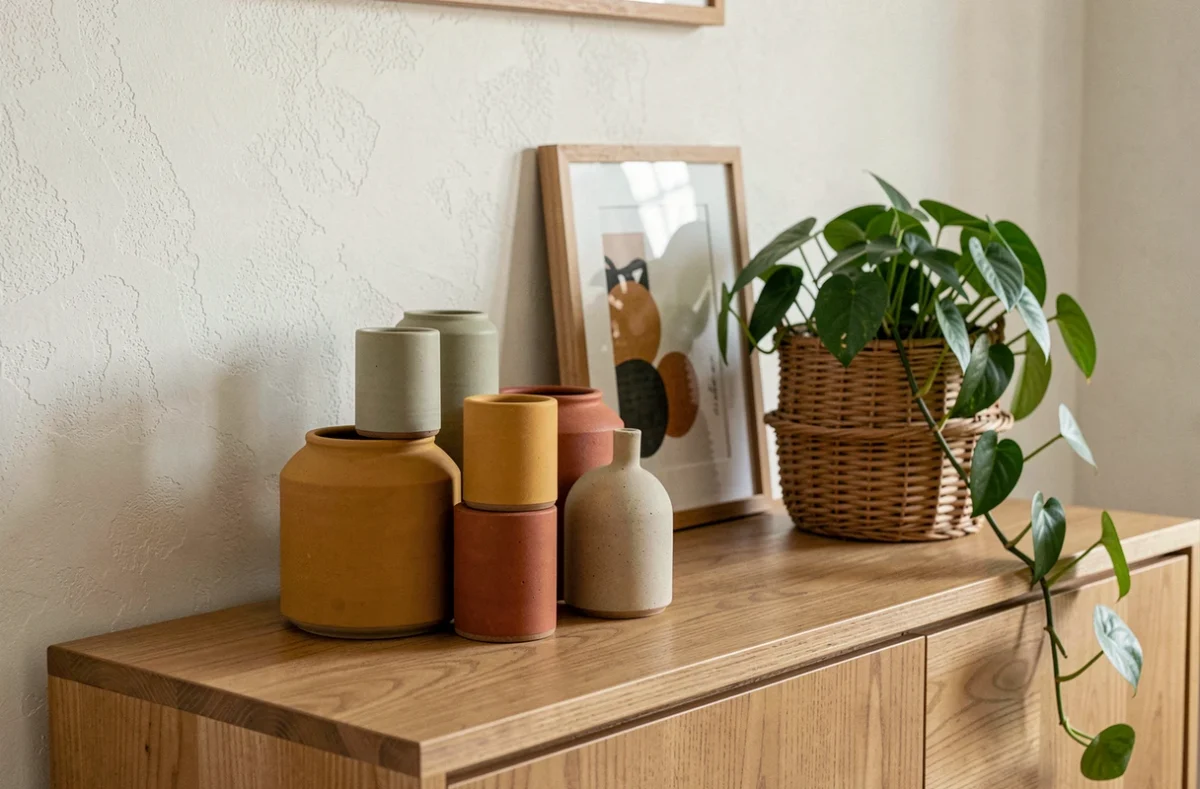
A second-hand solid wood piece, a new plywood shelf and a reused metal light fixture can work together if they share a texture or dominant colour. The most reliable common thread is the material, not the period or design movement.
A tabletop made from oak salvaged from a demolition site pairs well with new chairs featuring light wood legs. The chairs’ style matters less than the visual connection between the grain and colour.
What to check before buying second-hand furniture
Second-hand furniture does not come with the same guarantees as new items. A few checks can help avoid unpleasant surprises:
- The furniture’s structural condition (joints, hinges, drawers) matters more than its appearance: a scratch can be sanded out, but a broken tenon is difficult to replace without the right tools
- Professional sellers covered by the Ecomaison scheme offer a degree of traceability regarding the furniture’s origin, unlike private sales
The aim is not to rule out buying from private sellers, but to set your expectations according to the channel.
Artisanal materials and imperfect surfaces: lasting trend or passing fad?
Recent editions of Maison&Objet and specialist publications point to the same trend: irregular surfaces and artisanal finishes are taking precedence over perfectly smooth objects. Hand-glazed ceramics, textured plaster and visibly woven textiles are gradually replacing uniform surfaces in professional interiors.
This direction reflects what Maison&Objet has called a “sensory shift”: a move towards interior design conceived as a sensory experience rather than a visual backdrop. In practice, this means choosing an object for how it feels to touch or use, not just how it looks in a photo.
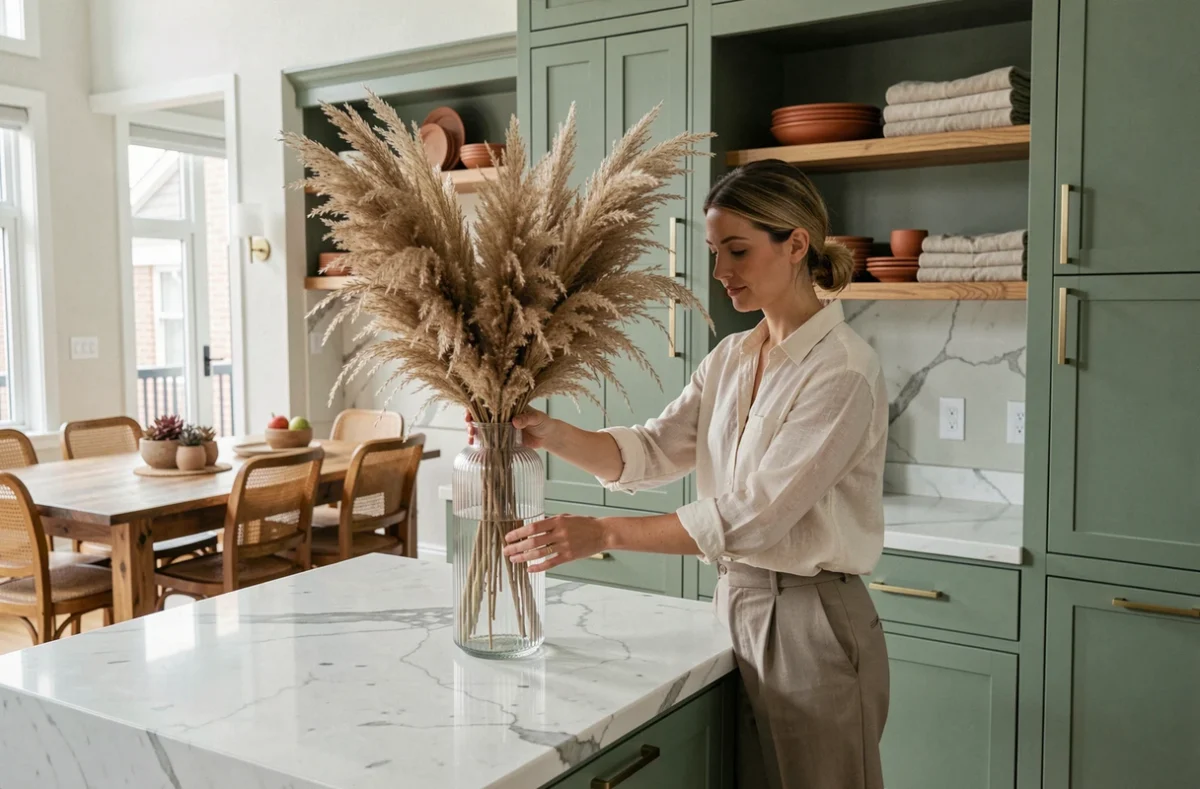
Whether this trend will last remains to be seen. Artisanal materials cost more to produce than their industrial counterparts. Widespread adoption will depend on keeping them affordable, particularly through reuse channels and local workshops offering unique pieces at mid-range prices.
Interior colour palettes in 2026: what professionals are really using
Chocolate tones are making a comeback in interior designers’ projects, far removed from the saturated browns of 1970s interiors. Today’s shades lean towards warmer, more muted browns, used on a feature wall or a key piece of furniture rather than throughout the room. Studio Louis Morgan, for example, used these tones in a Parisian restoration project to create a cocooning atmosphere without making the space feel darker.
This palette works well with natural materials: light wood, undyed linen and terracotta create a foundation that balances a deep brown accent without creating a stark contrast. Chocolate works as a warm neutral, not an accent colour.
For a living room or main living space, designers tend to limit the palette to a maximum of three shades. A fourth colour is best introduced through textiles (a cushion, curtain or rug) rather than a painted wall, making it easier to change your mind without taking on more work.
- A matte chocolate wall paired with light wood furniture and linen textiles creates a cohesive foundation for a living space
- Matte finishes absorb light and suit rooms with plenty of natural light, while satin finishes help compensate for a lack of brightness
- A pop of colour (terracotta, sage green) works better in a small detail, such as a vase or frame, than across an entire wall
The choice between matte and satin has a greater impact on the final look than the colour itself. Many interior design guides gloss over this factor, even though it affects how a space is perceived just as much as the chosen shade.