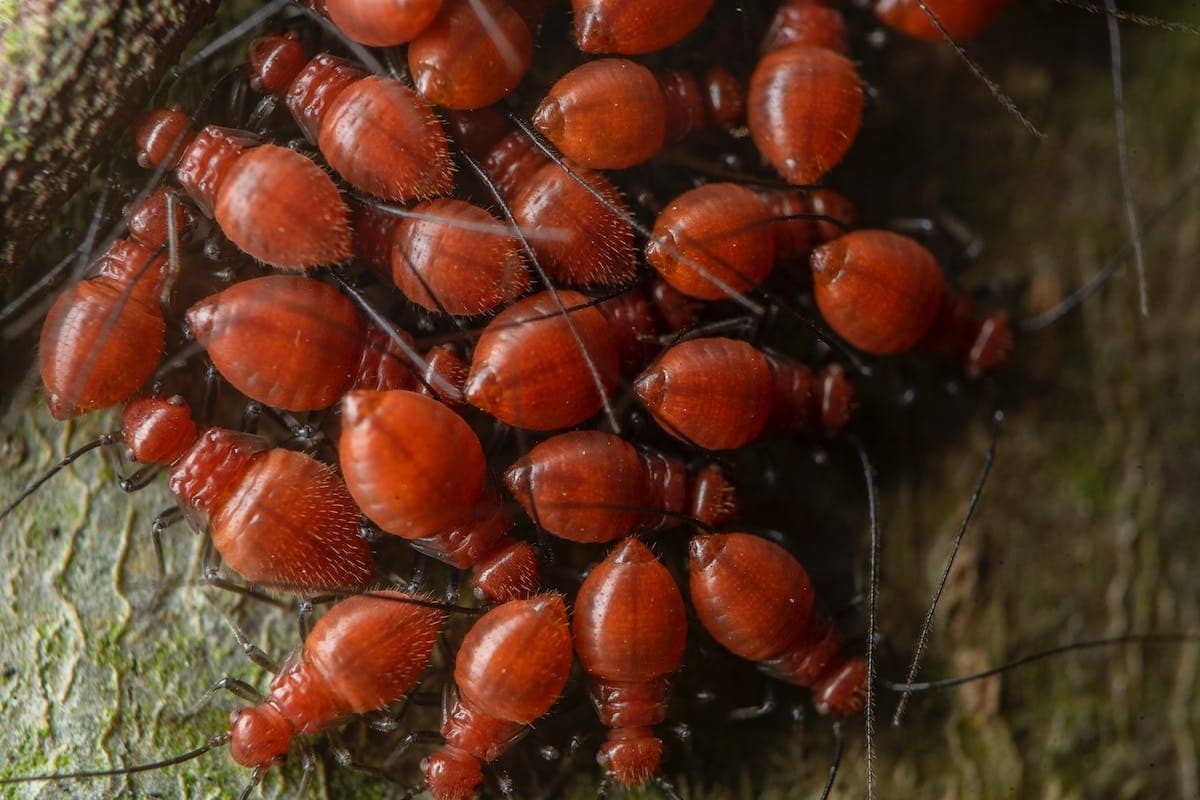
Eager to rid themselves of these pests without resorting to chemical products, many are seeking eco-friendly alternatives to eradicate the Tribolium, a beetle commonly known as the grain weevil. These natural insecticides not only respect the environment but are also often safe for humans and pets. From pheromone traps to planting certain plants, various solutions exist to combat these intruders. This scourge, present in grain silos, food warehouses, and sometimes even our kitchens, can be managed in a healthier way. We present the different strategies below.
The Damage of Tribolium on Crops: A Growing Threat
Triboliums, also known as grain weevils, are particularly feared pests. These beetles cause enormous damage to crops, and their presence can deal a devastating blow to the agricultural economy. Grains, rice, flour, and baked goods are among their favorite foods.
However, these pests do not limit themselves to fields or storage silos to proliferate. They can also infest our homes—more specifically, our kitchens or even a tribolium room specially set up to study their behavior in the laboratory.
Their modus operandi is simple yet effective: they burrow galleries inside grains to feed and then lay their eggs. The result is rapid deterioration that often leads to total loss of the contaminated product.
The threat posed by this beetle is therefore not negligible from an economic standpoint but also a health one, as its presence can lead to food contamination through its droppings or dead remains.
In the face of this scourge, several solutions have been considered, including the use of chemical insecticides. However, this method raises questions today regarding the risks it poses to both the environment and human health.
Fortunately, there are other more respectful alternatives, such as natural solutions based on plant or animal substances capable not only of eliminating these pests but also of being less harmful to humans and their environment.
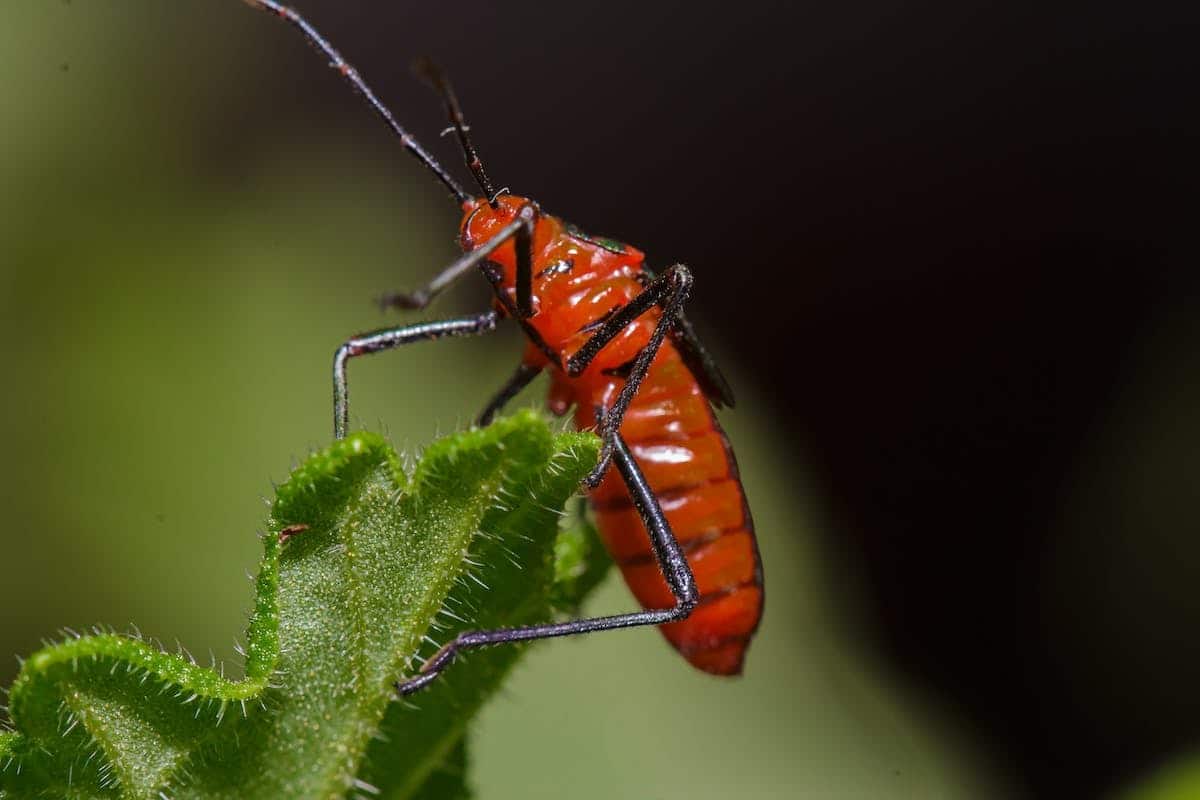
Fighting Tribolium: Traditional Methods Under Scrutiny
In the fight against Triboliums, several traditional methods have been successfully used. These ancestral techniques are based on knowledge passed down from generation to generation and continue to be employed in many regions of the world.
Cold is an effective method for controlling these pests. Triboliums cannot withstand extreme temperatures and can be eliminated through a cold treatment. In areas where winter is harsh, it is often sufficient to store infested goods outside during this period to get rid of them naturally.
The use of repellent substances can also prove very useful. Certain aromatic plants like mint, lavandin, or lavender have shown deterrent properties against Triboliums. By scattering these herbs around infested areas or placing sachets containing their dried leaves near stored products, one can limit their intrusion and reproduction.
Some biological agents can also be used in the fight against these pests. For example, certain types of nematodes (microscopic worms) specifically feed on Tribolium larvae without posing any danger to humans or other non-target organisms. Introducing these nematodes into the soil effectively controls their population.
Another traditional method for combating Triboliums is the use of food traps. These traps are designed to attract the beetles and trap them, thereby reducing their population. They generally consist of containers containing bait that attracts Triboliums, such as infested grains or certain types of fermented foods.
Cleanliness and good storage management are essential in the fight against these pests. Be sure to maintain strict hygiene in areas where food products are stored to eliminate any potential source of infestation. Surfaces should be regularly cleaned and inspected for any signs of Tribolium activity.
It is important to emphasize that these traditional methods may not be sufficient on their own when the infestation is severe. In this case, it may be necessary to resort to more specific solutions such as the use of certified natural insecticides to effectively control the Tribolium population.
Although there are several traditional methods for eliminating Triboliums, their effectiveness will often depend on the level of infestation and specific environmental conditions. An integrated approach combining different techniques may prove more effective for sustainably controlling these pests without harming our health or the environment.
Eliminating Tribolium: Natural Solutions to Explore
Fortunately, there are natural alternatives to effectively get rid of Triboliums without harming the environment. Here are some solutions that can be implemented:
Ventilation and humidity control: Triboliums are attracted to warm and humid environments. By maintaining good ventilation in your storage spaces and keeping humidity levels low, you can discourage their proliferation.
Thorough cleaning: Be sure to maintain strict hygiene in areas infested by Triboliums. Regularly vacuum to eliminate food residues and other debris that could serve as a food source for the insects.
The use of natural insecticides: Some organic products such as diatomaceous earth or pyrethrum can be used to repel or kill Triboliums without harming the environment or posing significant health risks.
Pheromones are chemical substances produced by certain organisms that allow communication between individuals of the same species.
By strategically placing traps containing these pheromones in your infested space, you can actively attract and capture adult Triboliums, thus limiting their ability to reproduce.
Prevention: To avoid a new infestation, consider taking preventive measures. Regularly inspect your food packaging and store them in airtight containers to prevent Triboliums from accessing them.
By using these natural solutions, you can effectively eliminate Triboliums without harming the environment or endangering your health. Be sure to prioritize nature-friendly methods to maintain a harmonious ecological balance and preserve our biodiversity.
Advantages of Natural Solutions Against Tribolium: A Promising Alternative
The advantages of using natural solutions to eliminate Triboliums are numerous. These alternatives respect the environment by avoiding the use of harmful chemical substances. By opting for natural methods, you preserve biodiversity and limit your impact on ecosystems.
Natural solutions offer a safe and non-toxic alternative to get rid of Triboliums without endangering human or animal health. Unlike conventional insecticides, which may contain aggressive and potentially dangerous chemicals, natural remedies pose no risk of poisoning or allergy.
Certainly, the main advantage of natural solutions is their long-term effectiveness. While some chemical treatments may quickly eliminate harmful insects, they tend to lose their effect over time and may require regular application. Natural solutions work differently: they target the very source of the problem rather than just treating visible symptoms.
By using ventilation and humidity control in your Tribolium-infested storage spaces, you create an inhospitable environment for these pests while promoting better preservation of food products.
Thorough cleaning not only eliminates potential food sources for Triboliums but also maintains general hygiene beneficial for human health.
Natural insecticides, such as diatomaceous earth or pyrethrum, are also very effective against Triboliums. These substances specifically target harmful insects while preserving other living organisms that are not targeted by these products.
The use of pheromone traps offers a proactive method for controlling and reducing the Tribolium population. By actively capturing adult individuals with these traps, their reproductive capacity is limited, thus reducing their potential for future infestation.
The use of natural solutions presents many advantages for effectively eliminating Triboliums without harming the environment or compromising human health. By adopting these respectful methods, you contribute to preserving our fragile ecosystem while ensuring lasting protection against these unwanted pests.
Tribolium Infestation: Preventing Rather Than Curing
Eliminating Triboliums is a crucial step in protecting your storage spaces and preserving the quality of your food products. Preventive measures must be taken to avoid any future infestation by these unwanted pests.
The first measure to take is to maintain a rigorous cleanliness in your facilities. Triboliums are attracted to food debris and poorly maintained areas. Regularly clean surfaces, eliminate all residues, and ensure that storage areas are free from dust and other potential food sources for these insects.
It is essential to detect any potential presence of Triboliums or other pests. Careful monitoring will allow for quick intervention in the event of a nascent infestation, thus limiting their spread before they cause significant damage.
Another effective preventive measure is to seal tightly all cracks, crevices, or other potential access points for Triboliums. These insects can sneak through the smallest openings, so it is crucial to block all possible entries.
Using natural repellents can also be a wise strategy to deter the appearance of Triboliums in your spaces. Certain plants such as peppermint, rosemary, or cloves are known to repel these pests.
It is important to make the environment inhospitable for Triboliums. Controlling humidity and maintaining good air circulation can help prevent the development of these insect populations. Also, be sure to store your food products in airtight containers to limit their access to the resources they need to feed and reproduce.
By taking these preventive measures, you will significantly reduce the risk of a future infestation by Triboliums. A proactive approach combined with natural solutions will not only effectively eliminate these unwanted pests but also ensure a healthy environment for the preservation of your food products.
The fight against pests requires constant vigilance and continuous adaptation to environmentally friendly practices. By adopting a holistic approach that combines elimination and prevention, you can sustainably protect your business while preserving public and ecological health.