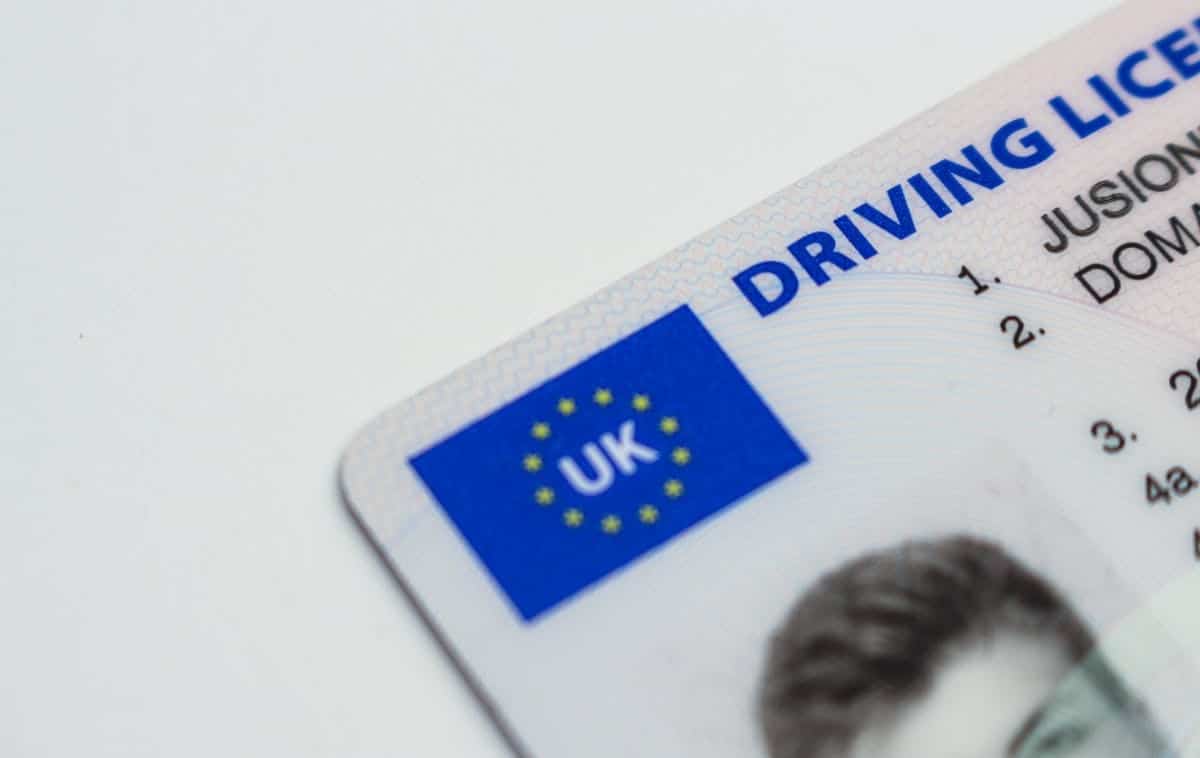
In an increasingly connected world, where air travel is an integral part of our daily lives, one question remains: can a driver’s license be used as identification to fly? Indeed, airport authorities require identification for international travel and sometimes even for domestic flights. But does the driver’s license, considered an official form of identification in many countries, meet the criteria required by airlines and airport security agencies? This question deserves special attention.
The Driver’s License: A Versatile Form of Identification
The driver’s license is often seen as a versatile form of identification, allowing not only for driving a vehicle but also for proving one’s identity in various administrative situations. When it comes to flying, the use of a driver’s license may be subject to certain restrictions and involves specific criteria.
It is important to emphasize that the use of a driver’s license to fly depends on the regulations specific to each country. Some countries readily accept this form of identification for domestic flights, while for international flights, it may sometimes be necessary to present a passport.
Even if the driver’s license is accepted for air travel in certain cases, it is essential to ensure that it is valid. It must not be expired or suspended in order to be used as proof of identification during airport checks.
Despite its apparent versatility, using a driver’s license also has some drawbacks. Indeed, one of the major limitations lies in the fact that this form of identification is not recognized internationally by all countries. Therefore, traveling outside one’s national territory generally requires the use of a passport, which remains the standard for official identification.
For those who prefer to avoid complications related to using a driver’s license for air travel, there are practical alternatives. The passport is the most commonly used document worldwide to prove one’s identity during air travel. It is issued by the relevant authorities and allows for official recognition in all countries.
In the interest of international harmonization, various regulations have been established regarding the use of the driver’s license for air travel. The ICAO (International Civil Aviation Organization), for example, has set common standards aimed at facilitating the movement of travelers while ensuring their safety and that of other passengers.
To optimize the use of the driver’s license during an air travel, here are some practical tips: always check with the airline or local authorities if the driver’s license can be used as a valid form of identification; ensure that your license is still valid before departure; and consider having an alternative such as a passport if you are planning an international flight to avoid any unforeseen situations.
Although the driver’s license may be considered a versatile form of identification in certain national administrative contexts, its use for flying remains subject to the specific regulations of each country. Be sure to inquire in advance about the criteria required by the airline as well as the legal requirements of the country you wish to visit.

Validity of the Driver’s License for Air Travel
The validity criteria for flying with a driver’s license vary depending on the countries and airlines. However, there are some general guidelines to consider.
The legibility of the document is paramount. The driver’s license must be clear and unaltered so that the information it contains can be easily verified by airport authorities. The characters must be readable and not show any degradation that could render the document invalid.
The validity of the license is a crucial element. It must still be valid at the time of the planned travel. Some countries require a minimum remaining validity period on the license before allowing its use as identification during border checks.
It is important to note that some countries may require a specific system (in technical or technological terms) for authenticating the driver’s license used for air travel. For example, some are equipped with an electronic chip containing the personal and biometric information of the license holder.
In some cases, it may be necessary to provide a supplementary proof such as a plane ticket, a confirmed reservation, or any other document justifying the traveler’s genuine and legal intent to use their driver’s license as a means of identification when flying.
It is worth emphasizing that the validity criteria for using a driver’s license during air travel may evolve over time. Stay informed about the latest regulations and recommendations in the country you wish to travel to as well as with the airline you plan to fly with.
Although the driver’s license can be used as identification for flying in certain cases, it is essential to check the specific criteria required by each country or airline. The legibility and validity of the document are crucial, as is compliance with the required technological systems. Inquiring in advance will help avoid any unpleasant surprises before boarding your long-awaited flight.
Advantages and Disadvantages of Using the Driver’s License for Air Travel
Using the driver’s license as a form of identification for air travel has some undeniable advantages. It is an official document issued by the relevant authorities, which guarantees a certain reliability and traceability of the information it contains.
By using their driver’s license, travelers avoid having to carry another form of identification, which can be convenient for those who prefer to travel light. It also helps to avoid the risk of losing or forgetting a national identity card or passport during travel.
In some countries where administrative procedures are complex and lengthy to obtain a passport, using the driver’s license can be an interesting and quicker alternative. This can particularly facilitate urgent or unexpected business trips.
However, despite these obvious advantages, you must consider some potential disadvantages related to using the driver’s license as a means of identification during border checks.
Not all countries allow this practice and still require a valid passport. You must check in advance if the chosen country accepts the driver’s license as a valid form of identification for air travel.
Even if some countries accept the use of the driver’s license as sufficient proof for flying within their territory, this does not necessarily mean that all destination countries on the traveler’s route will accept this form of identification. You must specifically inquire about each concerned country to avoid any issues upon arrival.
It is important to keep in mind that the driver’s license is not an internationally recognized document by all countries. Therefore, if the traveler is considering trips to more distant or exotic destinations, they will likely need to obtain a passport to enter those territories.
Although using the driver’s license as a means of identification during air travel may present certain undeniable practical and administrative advantages, it is not suitable for all situations or all countries. It is therefore essential to carefully verify the validity and recognition of the license in each specific context before boarding a plane.
Alternatives to the Driver’s License for Air Travel
In cases where the driver’s license cannot be used as a form of identification for flying, fortunately, there are alternatives that allow travelers to comply with the requirements of border checks.
The first alternative is, of course, the passport. Considered one of the most recognized official documents worldwide, it serves as a solid and indisputable proof of identity. The passport also allows for travel to many countries without encountering administrative issues.
For those who do not have a passport or whose passport is no longer valid, the national identity card can be a suitable solution. It is important to check if this card is accepted by the authorities of the destination country to avoid any inconvenience during border checks.
Some travelers may also opt for the consular card, issued by French consulates or embassies abroad. Although less common than the other options presented earlier, it can still serve as a valid form of identification during customs and administrative procedures related to air transport.
In some exceptional cases where all these alternatives are not available or admissible, you may consider using a certificate of identity. This is generally a document issued by the relevant authorities, certifying your identity and containing the necessary information for air travel.
It should be noted that these alternatives may vary from country to country or even within the same airline. Therefore, it is crucial to inquire in advance about the specific requirements of the destination country and the airlines used.
While the driver’s license may be an interesting alternative for some air travel, there are other viable solutions that meet the requirements of border checks. The choice will depend on the specific context of the trip as well as the rules in force in each visited country. Caution and prior verification are always recommended to avoid any inconvenience during your future air travels.
Practical Tips for Using Your Driver’s License When Flying
In this section, we will provide you with some practical tips for using your driver’s license during an air travel. Although the driver’s license is not a necessary document for flying, it can be useful in certain situations.
It should be noted that the driver’s license is not an officially recognized form of identification on an international scale. Therefore, it does not replace your passport or national identity card. It can be used as an additional proof of your identity during security checks at the airport.
When traveling with your driver’s license, ensure that it is valid and not damaged. Some countries may refuse a damaged or expired document. Also, check the specific requirements of the country you are visiting to ensure that the license will be accepted as a proof of identity.
It is recommended to carry a copy of the international regulations regarding the necessary documents for air travel as well as a certified translation in the language of the visited country, if necessary. This information can be obtained from foreign embassies or consulates present in the national territory.
Keep in mind that each airline may have its own policies regarding the documents accepted as proof of identity during check-in and security checks. Therefore, it is best to consult the general conditions of the airline before your trip.
Although the driver’s license is not an officially recognized document for flying, it can be used as additional proof of identity. You should check the specific requirements of the visited country and the airlines to avoid any issues during your trip.