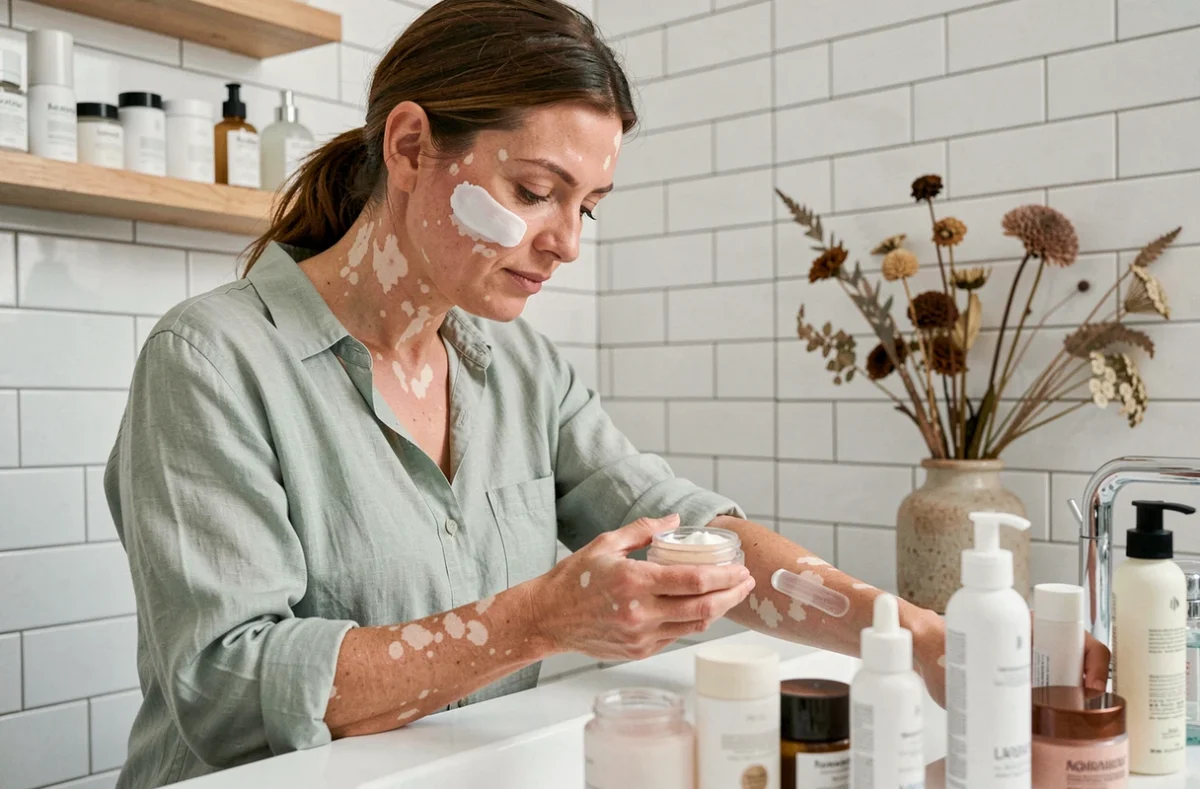
A person with reactive skin walks into a pharmacy, turns over a tube of cream and finds an ingredient list printed in tiny type, made even longer by new fragrance allergen labeling requirements. Reading the formula is a visual challenge before it even becomes a technical one. Inclusive beauty is about more than foundation shades: it starts with being able to understand what you put on your skin, whatever your sensitivity.
Cosmetic allergen labeling: what EU Regulation 2023/1545 changes
EU Regulation 2023/1545 expands the list of fragrance allergens that must be individually listed on cosmetic packaging. For consumers with sensitivities, this is a tangible step forward: instead of a vague “fragrance” label, each substance is identified separately.
The problem comes further down the line. Article 19 of the EU Cosmetics Regulation requires mandatory information to be visible and legible. Yet adding more ingredients to the list on a small bottle makes the information less accessible, not more. On a 30 ml tube, the type can shrink below a comfortable reading size, even for someone without a visual impairment.
Brands specializing in skincare for reactive skin are beginning to address this paradox by offering additional resources: QR codes linking to detailed product information, simplified pictograms on packaging, and ingredient lists available on their websites. This approach can be found at retailers that put adaptability at the heart of their product range, as seen at https://www.atypikbeaute.fr, where skincare is designed for a range of skin types.

Reactive skin and skincare: where does inclusive beauty end?
When it comes to adapted skincare, the line between cosmetics and medicine can quickly become blurred. An emollient moisturizes, eases tightness and restores the skin’s lipid barrier. It does not treat atopic dermatitis. An “adapted” skincare product is no substitute for a dermatologist’s advice when symptoms go beyond temporary discomfort.
This distinction matters for inclusive beauty. Offering a range of fragrance-free, dye-free products with short ingredient lists meets a real need. Suggesting that a cosmetic is enough to manage a chronic skin condition is a promise the product cannot keep.
What inclusive skincare for sensitive skin should disclose
- A complete list of the fragrance allergens present, even in trace amounts, in accordance with Regulation 2023/1545, with digital access if the packaging is too small for comfortable reading.
- A clear distinction between everyday skincare (moisturizing and protecting the skin barrier) and medical treatment, to avoid confusion for people with dermatitis or eczema.
- The product’s pH and whether it contains common preservatives (methylisothiazolinone, phenoxyethanol)—two details that help people with reactive skin make a more informed choice than an “hypoallergenic” label with no strict regulatory framework.
In fact, the term “hypoallergenic” has no harmonized legal definition in Europe. A product labeled hypoallergenic may still contain declared allergens. Checking the ingredient list remains the only reliable method.
Inclusive beauty products: moving beyond shades
Most articles about inclusive beauty approach the subject through the range of foundation shades available. Expanding shade ranges was a visible and necessary step. But it is not enough to make beauty truly inclusive.
A foundation available in forty shades is no help to someone whose skin cannot tolerate silicones, chemical UV filters or conventional film-forming agents. Inclusivity in formulation matters just as much as inclusivity in color.
Three practical ways to make cosmetics truly inclusive
The first is texture. Offering the same skincare product as a rich cream, a lightweight fluid and a dry oil can meet very different skin needs without multiplying active ingredients. Reactive oily skin and dry, atopic skin need different bases, even if the soothing active ingredient is the same.
The second is product information. We have seen the limitations of paper labels. Brands that provide digital access to the full ingredient list (via a QR code or online product page) let consumers check for a problematic ingredient before buying, including in-store.
The third is marketing language. Replacing “for sensitive skin” with a technical description of what a product does and does not contain gives consumers the information they need to decide. Describing the formula is better than promising a result.
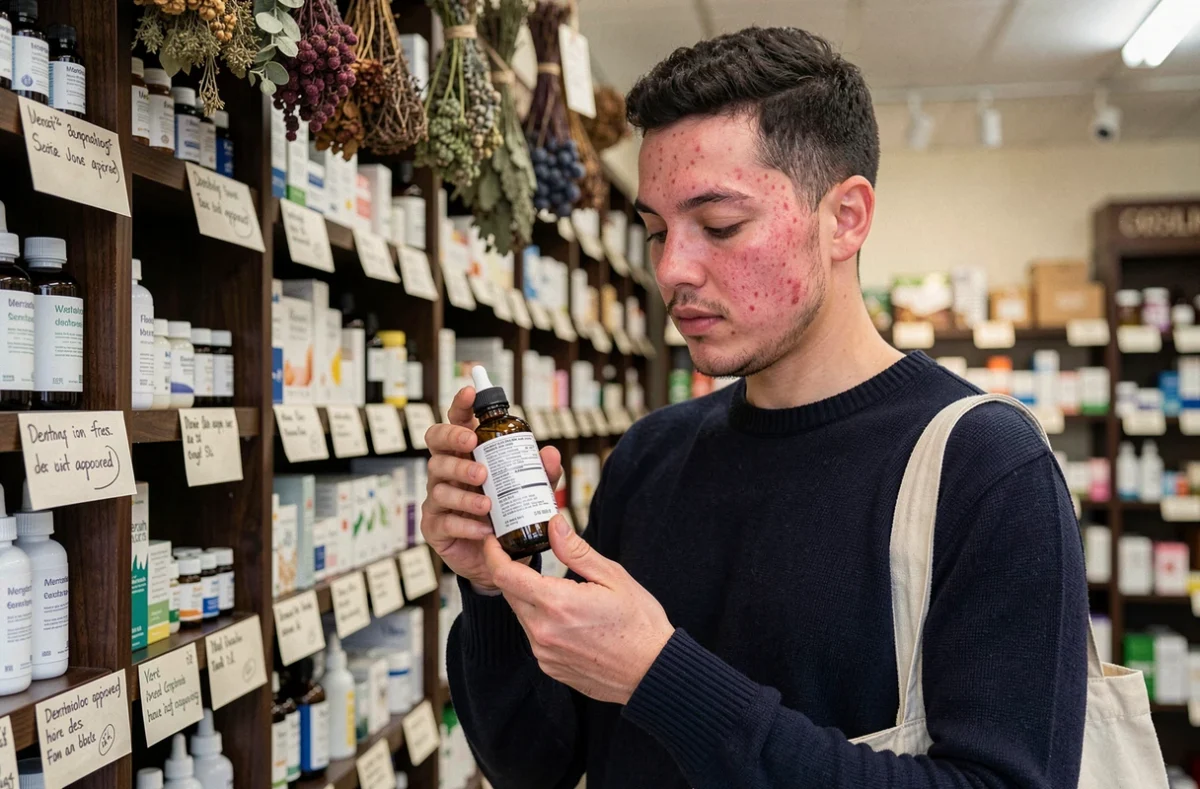
Choosing skincare for your skin: practical criteria
In practice, choosing skincare for reactive skin comes down to a few simple habits. They may not be groundbreaking, but they can help prevent costly mistakes.
- Check the entire INCI list, not just the first three ingredients. A fragrance allergen may appear near the end of the list and still be enough to trigger a reaction in someone with a sensitivity.
- Choose short formulas (fewer than about 20 ingredients). The longer the list, the greater the risk of cross-reactions.
- Know the difference between “fragrance-free” and “unscented.” “Unscented” can sometimes mean that masking agents have been added to neutralize the smell of raw materials, without being considered added fragrance.
- Patch-test on a small area (the inside of your wrist or behind your ear) for 48 hours before applying to your face, especially if the product contains new active ingredients.
If symptoms persist despite choosing suitable skincare, consulting a dermatologist is the right next step. Inclusive beauty recognizes the limits of cosmetics as well as expanding their possibilities.
The cosmetics industry is moving toward greater transparency, driven by regulatory requirements such as Regulation 2023/1545 and by consumers who want products they can understand, not just products that look good. Making skincare accessible starts with making its contents understandable.